

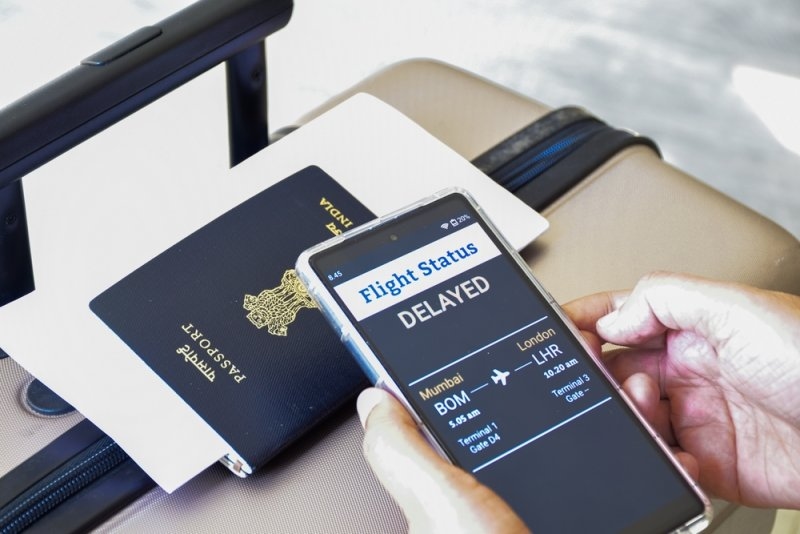
Flight delays can start off as small hiccups and turn into expensive headaches. Missing a connection, paying for an extra hotel night, losing work time, or having to buy a pricey airport meal—these things add up fast. The way airlines handle delays isn’t always the same, either. What happens next can depend on why your flight’s delayed, airline policies, where you’re flying, and even what kind of ticket you booked.
When you know the basics before you fly, you’re in a stronger spot if things go sideways. In this post, we’re breaking down what to watch for with delays, what you can do before you leave, which rules matter, and how to handle questions about compensation.
Flight delays are frustrating, but a few checks before leaving home can prevent avoidable problems later.
Flights get delayed all the time for all sorts of reasons: bad weather, mechanical issues, crowded airports, crew schedules, or other operational problems. Sometimes there’s no warning at all. Check the airline app and airport website shortly before departure. If your flight has already moved, do not rely only on an old boarding pass.
Keep these details accessible:
A screenshot helps when airport Wi-Fi is poor.
What you do next really depends on how long the delay is and if you’ll miss another connection because of it. First, confirm the updated departure time. Then make sure you can still catch your next flight if you have one. If it does not, contact the airline rather than waiting until boarding begins.
For example, a two-hour delay on a direct flight may only require patience. A two-hour delay before a short connection can create a much bigger problem. What to do when your flight is delayed should therefore start with checking the entire itinerary, not just the delayed flight.
Also Read: How to Book Fast Track Airport Security Without the Stress
Flight delay rules differ between countries, airlines, and specific circumstances. There’s no universal rule that guarantees the same compensation or help for every traveler.
Your rights—like getting help, rebooking, a refund, or some compensation—depend on the laws that apply where you’re flying. The reason for the delay can matter too. Weather and air-traffic restrictions may be treated differently from problems within an airline’s operational control.
Travelers should check the rules applying to their departure country, destination and airline before assuming they are entitled to money.
Airline policies can provide benefits beyond statutory requirements. Some carriers may offer meals, accommodation, alternative flights or travel credits under particular conditions.
That does not mean every delayed passenger automatically receives all of these benefits. Read the airline’s current conditions and keep written confirmation of anything offered.
| Situation | What to check first | Possible outcome |
|---|---|---|
| Short delay | Updated departure time | Wait or board later |
| Long delay | Rebooking options | Alternative flight |
| Missed connection | Entire itinerary | Rebooking or other remedy |
| Cancellation | Refund and replacement options | New flight or refund |
| Delay with extra expenses | Receipts and policy | Possible reimbursement |
Flight delay compensation sounds straightforward, yet eligibility can depend on the law covering the journey. A delay alone does not necessarily guarantee payment.
Flight delay compensation may be available under certain passenger-protection regimes when specific conditions are met. The length of the delay, route, airline, cause, and applicable jurisdiction can all matter.
Do not assume that a long delay automatically creates a cash claim. Likewise, do not assume you have no rights simply because the airline calls the event an “operational issue".
Save the original ticket, boarding pass, delay notification, and any messages from the airline. Keep receipts for reasonable expenses that you believe may be covered.
A simple folder containing these records makes a later claim much easier. This is particularly useful when flight delays create hotel, transport, or meal expenses.
Don't Miss: Airport Codes Explained: A Guide to IATA vs ICAO vs FAA LID
Knowing what to do when your flight is delayed can prevent rushed decisions. The first priority is information, then rebooking if necessary.
Instead of asking only, “When will we leave?” ask:
Specific questions usually produce more useful answers.
Long flight delays often lead passengers to buy meals, taxis or hotel rooms without asking whether reimbursement rules apply. That can create problems later.
Before spending, ask the airline what is covered and whether approval is required. Keep every receipt anyway.
When flight delays disrupt a journey, travelers often have several choices. The right choice depends on the circumstances rather than convenience alone.
| Option | Better suited to | Main issue |
|---|---|---|
| Wait for the original flight | Short delays | Arrival becomes later |
| Request rebooking | Missed connection risk | Alternatives may be limited |
| Request refund | Journey is no longer useful | Conditions may apply |
| Use travel insurance | Covered disruption | Policy exclusions matter |
For example, waiting may make sense for a 45-minute delay. If the same delay causes a missed international connection, rebooking becomes much more important.
Suggested Reading: Red Eye Flight Tips for a Better Overnight Journey
The best time to get ready for a delay is before it ever happens. Set up your airline notifications, download their app, keep your booking details handy, and know how to reach their customer service fast.
Pack must-have meds, chargers, valuables, and any basics you can’t go without in your carry-on bag (as long as the rules allow). If you check that stuff and end up with an overnight delay, getting it back isn’t always easy.
Seat changes are subject to aircraft availability and the airline's seat availability programme. It is possible a rebooked passenger will be given another seat when the original reservation made a selection.
Typically, any baggage is carried on with the affected itinerary, but that can change following rebooking. Enquire with the airline on whether your bags have been placed elsewhere or are to be picked up.
Access may be based on status at some lounges, but not necessarily all; it may be based on membership, may be based on a card and/or may be accessed with a fee. Don't pay until you check the state of the condition of the lounge before you pay.
If travel dates are near the expiration of the visa, it can cause practical issues with the delay. If the delayed trip creates a compliance problem, check visa conditions and contact the relevant authority if it does.
Do not cancel immediately unless you are aware of a new plan's schedule. Always review the hotel cancellation policy, as this can generate extra expenses if the hotel is not cancelable.
This content was created by AI