

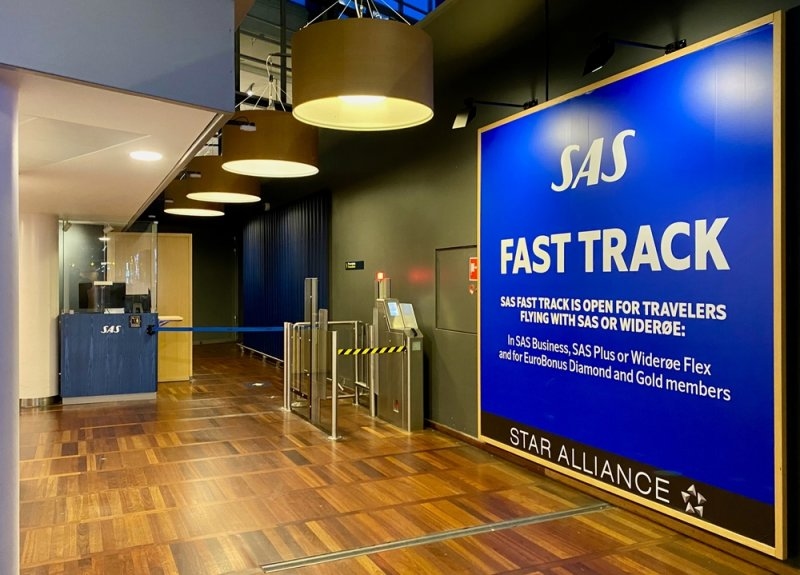
Anyone who's sprinted through a terminal because security took forever knows the feeling. Your palms get sweaty, you keep checking the time, and the line barely seems to move. This is exactly why fast-track airport security has become such a popular option lately. It's a simple, often affordable way to sidestep the worst of the chaos. In this guide, we'll cover how booking works, when to do it, what it costs, and a few smarter alternatives worth knowing about.
Fast track is a service that moves you through a shorter, less crowded screening lane. You either pay for it directly or get it as part of a membership or premium ticket. Airports offer this because passenger numbers keep climbing while the number of lanes doesn't grow nearly as fast. For a lot of travelers, especially those cutting it close on time, it genuinely feels worth the money.
Booking airport security fast track access isn't nearly as complicated as people assume. Most airports sell passes right on their official website, and plenty of third-party travel sites offer them too. You pick your terminal, your date, and roughly what time you'll arrive, then pay online. A confirmation email or a QR code on your phone usually gets you through the gate.
| Booking Method | Typical Cost | Best For |
| Airport's own website | Low to moderate | Travelers are watching their budget |
| Third-party travel platforms | Moderate to high | Those wanting extras like lounge access |
| Included with the airline ticket | Often free | Business or first class passengers |
| Airport membership plans | Annual fee | People who fly often |
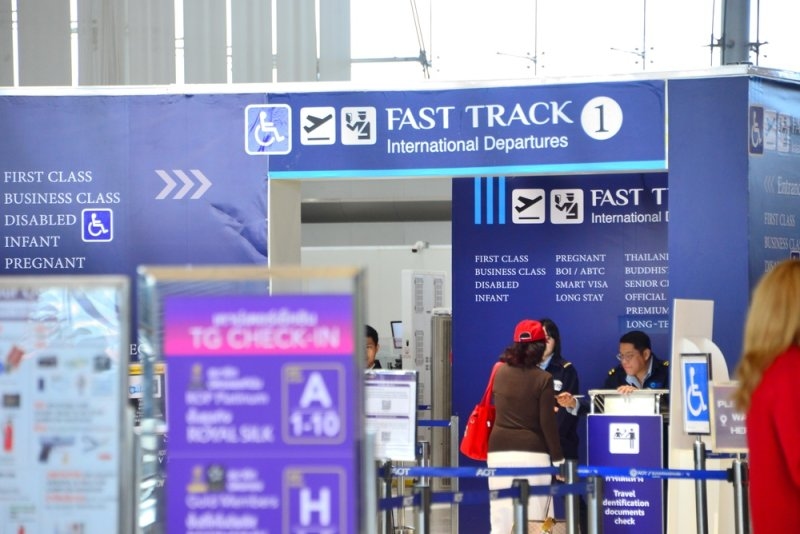
Airport security lines get out of hand for a few pretty predictable reasons. Staff shortages during busy travel periods slow the whole process to a crawl. When several flights depart around the same window, checkpoints get flooded all at once. Older scanning machines at some airports don't help matters either. Once you understand why the delays happen, it's a lot easier to plan around them.
If you're wondering how to skip airport security lines without cutting corners, there are a few real options:
Even if you skip the fast track entirely, some airport security tips genuinely make a difference. Keep your liquids in a clear bag you can grab in seconds. Wear shoes you can slip off without wrestling with laces at the scanner. Take your laptop out before you even reach the tray station. Have your boarding pass and ID ready before the officer asks for them.
None of this costs anything, but together these small habits can shave five or ten minutes off almost any line.
Must Try: Best International Roaming Plans for Family Travelers 2026
Airport security wait times swing wildly depending on the day and even the hour. Between 5 and 8 AM, most major hubs are at their absolute busiest. Fridays, holidays, and school breaks bring noticeably heavier crowds, too. A lot of airports now show live wait estimates right in their apps, which is worth checking before you leave home.
| Time of Day | Average Wait | What to Do |
| 5 AM to 8 AM | 25 to 45 minutes | Consider booking a fast track |
| 9 AM to 12 PM | 10 to 20 minutes | Standard lines are usually fine |
| 6 PM to 9 PM | 20 to 35 minutes | Give yourself some extra buffer |
| Late night | Under 10 minutes | Fast track probably isn't needed |
Timing matters here just as much as picking the right provider. Try to book at least 24 to 48 hours ahead if you're traveling during a busy stretch. Last-minute bookings do exist, but they tend to cost more and can sell out fast. Around major holidays, booking a full week early is honestly a smart move.
A surprising number of travelers lose time or money over avoidable slip-ups. Watch out for these:
If a fast track isn't available at your airport, or the price feels steep, you've still got choices. Trusted traveler programs offer expedited screening year-round for one flat annual fee. Certain credit cards quietly bundle in occasional priority lane access as a perk. And honestly, just flying during off-peak hours remains the easiest, completely free workaround.
There's really no need to make booking fast track airport security more complicated than it is. With decent timing, a little research, and expectations that stay grounded in reality, getting through screening can feel almost easy. Whether you pay for priority access or simply time your arrival smarter, a calmer trip through the airport is well within reach.
Also Read: Is Business-Class Air Travel Worth the Cost in 2026?
For most people, yes, especially during peak hours or tight layovers. It cuts down waiting time considerably and lowers stress, which matters a lot for nervous or first-time flyers on a schedule.
Usually, though, slots shrink the closer you get to departure, and prices tend to climb too. Booking ahead is the safer bet, particularly around holidays when demand jumps noticeably.
Not entirely, since delays can happen anywhere along the way. It does cut your security wait significantly, improving your odds, but it's still smart to build in some extra buffer time.
Not quite. Larger international hubs almost always have it, but smaller regional airports often don't. Check your airport's own website or app ahead of time to confirm what's actually available.
A fast track is generally a one-off paid pass for a single trip. Trusted traveler programs need an application and a yearly fee, but reward you with unlimited expedited screening across many airports.
This content was created by AI