

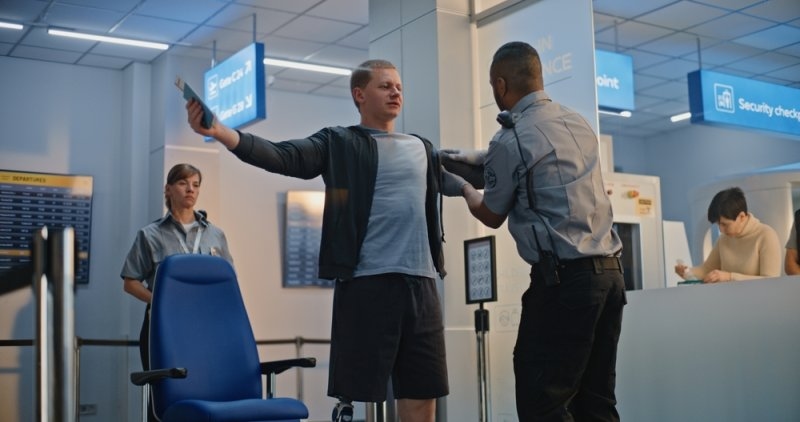
Nobody likes standing in a slow line while their boarding time keeps ticking closer. Airport security wait times can shift a lot depending on the day, the hour, and even which terminal you're flying out of. The good part is that you don't have to walk in blind anymore. With a few simple tools and a little planning, you can know roughly what's waiting for you before you even leave the house.
Security lines rarely move at the same pace all day. Staffing levels, flight schedules, and even the weather can all change how fast a checkpoint clears people. A calm Tuesday morning can look nothing like a Friday right before a holiday weekend.
Airports also see sudden spikes tied to certain departure banks. When a bunch of large flights leave around the same hour, checkpoints get hit all at once. Once you understand this pattern, it makes a lot more sense why the same airport can feel dead one day and chaotic the next.
Early mornings between 5 a.m. and 8 a.m. are usually the busiest stretch, since a lot of business travelers book the first flights out. Things tend to slow down around midday before picking back up in the late afternoon. Looking at TSA wait time data for your exact travel hour, not just the day, gives you a much better idea of what to expect.
There are a handful of free resources that track checkpoint conditions almost as they happen. Relying on just one of them can leave gaps, so it's worth checking a couple before you head out.
| Tool | What It Shows | Best For |
| Airport's official website | Live wait times by terminal | Most accurate, airport-specific data |
| MyTSA app | Crowd-sourced and historical trends | Planning the night before |
| Airport social media | Real-time alerts during disruptions | Weather delays or staffing issues |
| Third-party wait time trackers | Aggregated data across airports | Comparing multiple airports quickly |
Checking these twice, once the night before and again the morning of your flight, tends to catch any sudden changes you'd otherwise miss.
Yes, TSA has its own free app called MyTSA, available for both iOS and Android. It shows checkpoint estimates, historically busy periods, and general delay info for your departure airport. During bigger disruptions, the app can lag a bit, so it's smart to double-check with your airport's website too.
TSA PreCheck wait times are usually faster since you skip removing shoes, laptops, and liquids at the bin. That said, faster doesn't always mean instant, especially at big hub airports during busy travel windows. PreCheck lanes can still slow down when the regular line overflows into them.
To actually get the benefit, make sure your Known Traveler Number shows up on your boarding pass. If "TSA PRE" isn't printed there, you won't get into the dedicated lane even with an active membership.
If you'd rather skip the standard line altogether on a big trip, some travelers pair PreCheck with a fast-track airport security booking for extra peace of mind on tight connections.
Bigger hub airports like Atlanta, Chicago O'Hare, and Los Angeles naturally see longer average waits just because of passenger volume. Smaller regional airports often move people through in ten minutes or less, even during their busier hours.
Terminal layout plays a role too. Airports with one central checkpoint tend to bottleneck faster than ones with checkpoints spread across separate terminals. Knowing your airport's layout ahead of time helps you set realistic expectations for how long that line might actually take.
Most travelers would call anything over 30 minutes a long wait, though this varies with airport size. During major hub disruptions, waits can stretch well past an hour without much warning. Checking current TSA security line wait times before you leave home helps you decide if extra buffer time is a good idea.
Beyond just checking wait times, a few small habits consistently speed things up at the checkpoint for you and everyone around you.
Families juggling strollers, snacks, and extra bags sometimes find that an airport VIP service takes a lot of the stress out of a crowded checkpoint.
A posted wait time only reflects the checkpoint itself, not your whole trip through the airport. Parking, shuttle rides, bag drop, and the walk to your gate all eat up extra minutes that estimates leave out. Building in that extra cushion matters just as much as checking the number in the first place.
TSA generally suggests arriving two hours before domestic flights and three hours before international ones. On holidays or during known staffing shortages, it's worth padding that timeline even more.
Checking airport security wait times before you leave home takes barely a minute but can save you real stress once you're there. Between official airport sites, the MyTSA app, and social media alerts, travelers now have more visibility than they used to. Pair that with a few smart packing habits, and your next trip through security should feel a lot more predictable.
The accuracy will vary from source to source. Official airport websites are usually the most reliable ones, as they are sourced from the airport staff. Third-party apps use a combination of crowd-sourced data, so there may be a slight delay in times during high traffic or unexpected interruptions.
Yes, the wait times for PreCheck vary by airport, based on the number of lanes available for the program and traveler volumes at the airport. PreCheck may be available at small airports during only a portion of their operations, and larger airports typically offer a lane for PreCheck throughout their entire day.
Definitely. When flights are delayed, a log builds up, which leads to more travelers passing through checkpoints in a shorter time frame. You can sometimes find alerts about the weather at the airport before they are updated on a wait time tracker's social media page.
Yes, even for short flights, a quick check is worthwhile, particularly during the early mornings or during holiday travel times. It takes just a few minutes to check the wait times to avoid hassle and a rush at the airport or to the boarding window.
This content was created by AI