

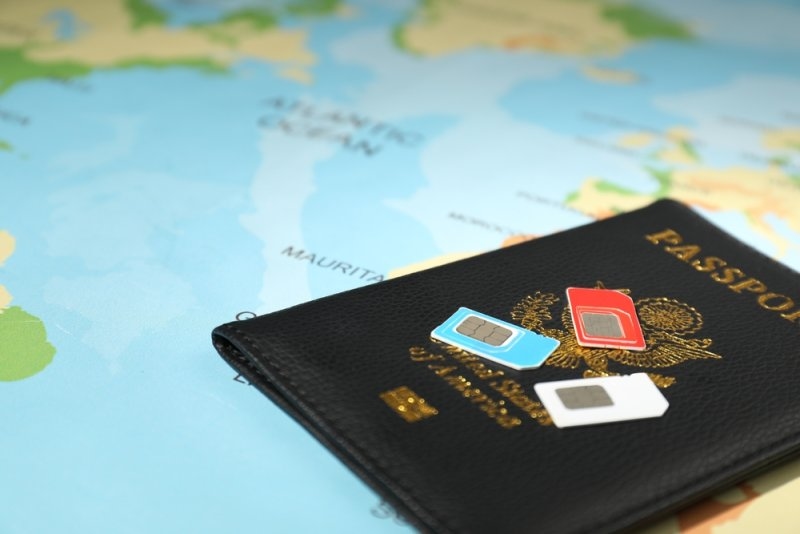
You've packed the snacks, printed the boarding passes, and double-checked the passports. But have you thought about your phone bill yet? Picking the right international roaming plans means you can still reach your kid's school, check in with grandma, or pull up a map without panicking over data costs. Whether you're wrangling toddlers through security or handing your teen their own phone at the gate, staying connected shouldn't wreck your vacation budget. Here's a real look at the best international roaming plans, SIM options, and a few tricks for how to avoid roaming charges altogether in 2026.
International roaming plans let your phone connect to a foreign network while you're away from home. Your carrier has a deal with local providers, so your number keeps working like normal. Sounds great, right? The catch is the price tag — many carriers charge around $10 to $12 a day just for the privilege. Multiply that across a two-week trip and a few family devices, and suddenly you're paying more for phone service than for your hotel.
Most of us default to our own carrier because it's familiar and there's nothing to set up. But that convenience quietly costs a lot more than a bit of research would.
So what actually counts as one of the best international roaming plans for a family? It depends on how long you're traveling, where you're headed, and how many phones need coverage. Some carrier plans bundle several lines together, which helps if your kids are carrying their own phones now too. Others let you pay only for the data you use, which makes tracking spending a lot simpler.
Here's a quick side-by-side to help you weigh the options.
| Option | Best For | Typical Cost | Setup Effort |
| Carrier day pass | Short trips, full service | $10–$12/day | None, automatic |
| Carrier monthly plan | Long stays abroad | $50–$100/month | Low |
| Prepaid eSIM | Data-focused travel | $5–$15 per trip | Moderate, before departure |
| Local SIM card | Budget travelers | $5–$20 total | Higher requires a phone unlock |
If you're traveling with multiple devices, a monthly carrier bundle or a multi-line eSIM tends to be easier to manage than juggling separate day passes. One comparison of major US carrier passes against prepaid eSIMs found that travelers could save up to 90% by switching to a data-only eSIM instead of paying a carrier's daily roaming rate. That's not pocket change — it's the difference between an extra day at the theme park or not.

Here's the real question moms ask most: physical SIM or eSIM? A physical SIM card for international travel means swapping out your home SIM, which also means losing your regular number for the trip. That's a dealbreaker for a lot of parents who need that number reachable for school or emergencies.
An eSIM sidesteps the whole issue. It installs digitally right alongside your existing SIM, so your normal number stays active for calls while the eSIM handles data. It's a small thing, but it makes a big difference when you're the one everyone calls first.
Must Try: Airport Transfers Guide: Simplify Your Travel Connections
Nobody wants to land back home to a phone bill that costs more than the flight did. Learning how to avoid roaming charges really just comes down to a handful of small habits before you take off.
That last one trips a lot of people up — even incoming texts can rack up charges overseas. It only takes one quick call to your provider to avoid an unpleasant surprise later.
When you're the one keeping everyone on schedule, your phone becomes the family's lifeline for maps, translations, and way too many vacation photos. A few habits make that job a lot easier once you're actually there.
It's also worth skimming general advice on picking an international phone plan, so you know which features actually matter for your trip.
Staying connected abroad doesn't have to eat into your travel budget or your patience. A little time spent comparing international roaming plans, eSIMs, and local SIM options before you leave puts you back in control. That means less time worrying about your phone bill and more time actually enjoying the trip you planned for.
Also Read: Airport VIP Services: Stress-Free Holidays for Families
Most of the time, a prepaid eSIM is the cheapest route for travelers. You pay only for the data you actually need, and that often beats those flat daily fees carriers charge for roaming passes or what they call “convenience” plans.
Yes, eSIM service usually runs alongside your main SIM, and there’s no real conflict. So you can keep your original number on for calls and texts, and then let the eSIM handle your data while you’re abroad.
In most cases, yes. Your phone needs to be carrier unlocked to accept a foreign SIM card, so it’s smart to check with your carrier before you leave. Otherwise, it can turn into a minor disaster right at the airport.
Set up eSIMs, or a shared data plan for each device, before the trip starts. Also, turning off roaming and relying on Wi?Fi calling apps helps keep costs down across multiple lines.
Yes, eSIMs connect to local cellular networks, and the connection is encrypted. It’s generally safer than hopping on public Wi?Fi. So it’s a pretty solid option for staying in touch with family, especially when the kids need you fast.
This content was created by AI