


Trying to find the best credit card for airline miles? You're not alone, and honestly, it's more confusing than it should be. Every issuer promises the "biggest bonus" or the "best perks," but once you dig past the marketing, fees, and redemption rules tell a very different story. This guide walks through how miles actually work, which cards are worth your wallet space, and where people typically go wrong.
At their core, airline miles are just a loyalty currency. Airlines hand them out for flying with them or for spending on their branded credit card, and the goal is simple: keep you coming back. Once you've built up a balance, you trade those miles in for flights, seat upgrades, or the occasional travel perk.
Here's the catch, though — a mile isn't worth a fixed amount. Its value shifts depending on demand, route, and how generous (or stingy) the airline feels that season. That's why understanding how airline miles work matters just as much as collecting them. Redeem at the wrong time, and you could burn through miles for barely any savings.
Good news — you don't need elite status or a dozen flights a year to build a solid mileage balance. A few practical habits go a long way:
Honestly, most frequent flyers earn far more miles from their card than from actual flying.
There's no single "best" here — it really comes down to your travel habits. Someone who flies the same airline every month wants something different than someone who takes two vacations a year.
Take a look at how the main categories stack up:
| Card Type | Annual Fee | Typical Earning Rate | Best For |
| Airline co-branded card | $0–$150 | 1x–2x on airline spend | Loyal flyers of one airline |
| Premium travel rewards card | $395–$795 | 2x–10x on travel | Frequent flyers who want lounge access |
| No-annual-fee travel card | $0 | 1x–1.5x on all spend | Occasional or budget-minded travelers |
| Flexible points card | $95–$150 | 2x–5x on select categories | Travelers who like transfer flexibility |
Premium cards look great on paper, with lounge access and free bags. But if you're only flying twice a year, that $795 fee is hard to justify.
Must Try: Best International Roaming Plans for Family Travelers 2026
Not everyone wants to fork over a yearly fee just to earn rewards, and honestly, you shouldn't have to. A solid no-fee option can still pull its weight for someone who isn't flying every other week.
When you're comparing no-fee cards, keep an eye out for:
Sure, the best credit card airline miles without an annual fee option won't rival a premium card's perks. But for casual travelers, it's essentially free money.
This one really depends on where you live and fly from. A program tied to a big global alliance usually gives you more flexibility, especially if you're booking partner airline flights internationally.
A few things worth weighing:
If you fly out of the same airport constantly, sticking with one well-connected program usually beats spreading yourself thin across several.
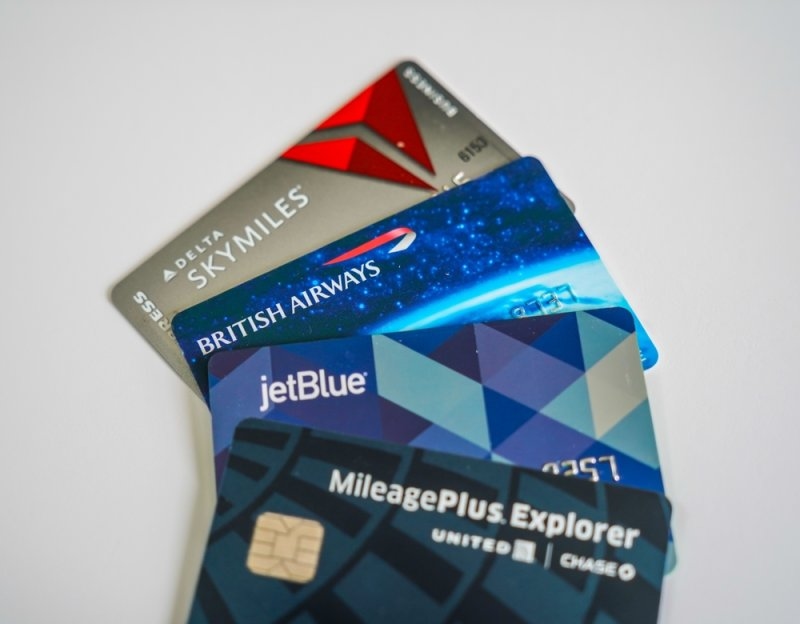
If you're basically married to United because it's the only thing flying out of your airport, this card was made for you. Its whole selling point is United Airlines rewards, so don't expect much outside that lane.
Okay, this isn't technically an "airline" card, but stick with me. You'll pull in 5% cash back on anything booked through Chase Travel, and if you're not picky about redeeming that cash toward flights, it quietly does the job.
This is the easy, no-strings-attached option for anyone who flies Delta now and then. You earn 2X miles per dollar on Delta purchases, and there's no annual fee to worry about — genuinely a good "just start here" card.
One tier up, and it shows. You'll earn 2X miles at restaurants worldwide (plus U.S. takeout and delivery), not just on Delta itself. And here's the kicker — it's free the first year, then settles into a $150 annual fee after that, so you get a decent trial run before you're on the hook for anything.
Not strictly an airline card either, but it earns its place on this list. Book through Chase Travel and you're looking at eight points per dollar, which honestly is one of the better multipliers you'll find anywhere.
This card is basically the "I want the full experience" option. The big draw is a genuinely strong welcome offer stacked with bonus rewards, though fair warning, the annual fee isn't small — so it only really makes sense if you're going to lean on the perks.
For people who refuse to pledge loyalty to just one airline, this one's a favorite. You'll earn 5 miles per dollar on flights booked through Capital One Travel, plus a nice pile of extra travel perks tacked on.
Think of this as the Venture X's more laid-back sibling. It just gives you a flat 2 miles per dollar on literally everything you buy, no bonus categories to memorize, no fuss — just steady, predictable earning.
Earning miles is honestly the easy part. Knowing how to redeem airline miles well? That's where people leave real money on the table.
A few habits that make a noticeable difference:
Do this right, and a modest mile stash can turn into a genuinely discounted trip.
Yes — and this trips people up more than you'd think. Most programs will wipe out miles after 18 to 24 months of zero activity on the account.
Keeping your balance alive doesn't take much:
A quick annual check of your account status can save you from a nasty surprise right before booking.
At the end of the day, the best credit card for airline miles is the one that actually fits how you travel, not the one with the flashiest bonus offer. Frequent flyers will probably lean toward a premium card with real perks, while occasional travelers are often better off with something fee-free. Either way, once you understand how miles are earned, redeemed, and lost to expiration, you'll get a lot more out of every single one.
Also Read: Airport VIP Services: Stress-Free Holidays for Families
A no-annual-fee co-branded card is often the smoothest first step, really. It keeps it easy, there’s no yearly cost, and you still get a solid sign-up bonus — which is great for testing the waters before moving to a more premium travel card later on.
For international redemptions, especially when you’re looking at premium seats, it usually costs more miles. The mileage price depends on the route, the current demand, and what seats are actually available. Booking earlier, plus being a little flexible with your travel dates, often leads to much better value on long-haul trips, generally.
Put daily spending on a co-branded card, snag sign-up bonuses when they're worth it, and shop through airline retail portals. Transferring points from a flexible rewards program can also speed things up without booking a single flight.
In most cases, yes. Many programs will expire miles after about 18 to 24 months of inactivity. But if you make even small, occasional purchases on your co-branded card, that’s often enough to keep your account active and your miles in place, so they don’t just disappear.
Look for no-fee co-branded cards with a steady (if modest) earning rate and no foreign transaction fees. Rewards won't match premium cards, but for occasional travelers, they offer real value without any ongoing cost.
This content was created by AI