

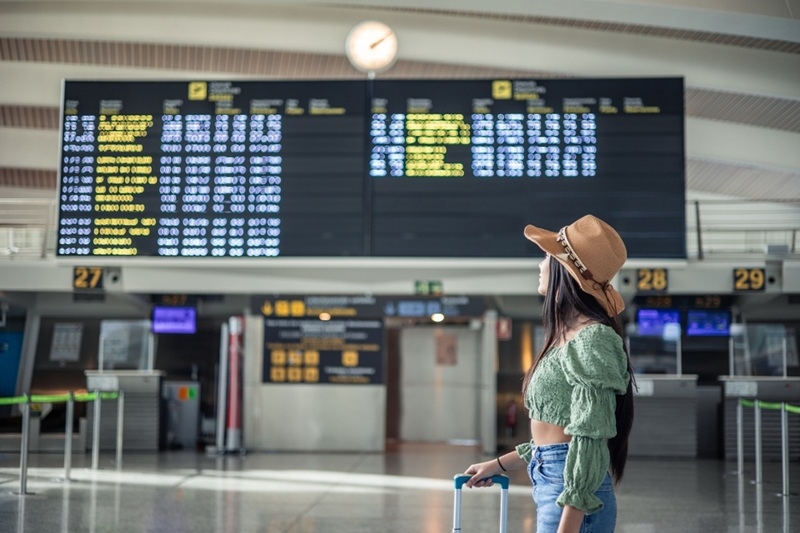
Your first-ever trip alone is probably a mix of excitement and apprehension. Airports are huge, intimidating places full of security gates, flight announcements, and very long queues. Like any first-time flyer, you might be worried about getting lost or missing your plane, but the fact is, they are designed to guide you from check-in to boarding.
Here, solo travel tips guide you to a stress-free first solo travel experience, including what you need to know as a first-time flyer.
Your preparations start before you even leave your home. Carefully read up on your airline's baggage regulations; they vary wildly between carriers for size, weight limits, and prohibited items. You should always keep your passport, ID, boarding pass, and travel documents together in one safe place, like a folder.
First-time flyer tips include remembering to download your airline's mobile app to your phone and saving relevant travel details. Pack a power bank, chargers, and headphones because airports will drain your battery very quickly! Airport tips for beginners may seem small, but they can help avoid many common travel disasters.
Most airlines offer a 24-hour check-in online, which you can do well before you reach the airport – this is very convenient, saves time, and gets your boarding pass to you instantly. If you have any checked luggage, you will have to take it to the baggage drop or a check-in desk after arriving at the airport.
Arriving early is one of the simplest Solo Travel Tips; at the very least, you should be at the airport two hours before a domestic flight and three hours before a long-haul international flight. Extra time ensures that you can cope with queues at the airport, long security checks, and other unexpected delays without too much stress. This Travel Guide for Beginners strongly advises you to stay calm and follow signs diligently.
Security might seem a little daunting for a first-time flyer, but the procedures are not complicated once you understand how they work. Liquids must be placed in small containers, and electronics must be easy to remove from your bag to go through the X-ray scanner. Depending on the country or region you're flying from, you might have to remove shoes, belts, or jackets too.
A key piece of airport tips for beginners, to make sure you don't get slowed down at security, is that you must always check you have retrieved all of your items from the security screening process. People often leave phones, wallets, and passports in the trays.
Don't Miss This: How to Use Your Local Airport Services Guide for Travel
One fundamental piece of Solo Travel advice that solo travelers must always take on board is that you should always keep valuables in your hand luggage rather than checked luggage. Never leave your belongings unattended in any circumstances, no matter how brief.
Using luggage locks is a simple way of keeping your luggage from being tampered with, and by keeping your important documents close, your travel will feel much more secure. This solo traveler guide advises you to pack basics such as medication, snacks, and one change of clothing in your carry-on bag in case of flight delays or loss of checked baggage.
Head to the flight screens after security to locate your gate. While some airports don't move their gates, continue checking the screens, as this can happen frequently. Don't just rely on your boarding pass information.
One of the great airport travel guide pointers is to be at your gate before the final boarding call. This might require walking a good distance or waiting for shuttle trains, which is where arriving early for a First Time Flyer really comes in handy. It's better to be at the gate with plenty of time to spare.
Connecting flights can be confusing for a novice. Make sure to double-check whether you are required to transfer your own baggage or whether it automatically comes with you to the destination on international connections.
One of the handiest solo travel tips you'll find is to simply follow the "Connections" or "Transfers" signs. When in doubt, always ask an airport official for assistance, as they encounter this type of thing every day and will not be embarrassed on your behalf.
Typically, boarding will commence 30-45 minutes prior to departure. Oftentimes, passengers will board in sections based on the seat or zone number written on the boarding pass. Have your passport and boarding pass readily available, as they will be checked once more before entering the plane.
A First-time flyer will want to listen to boarding announcements attentively. Once inside the plane, swiftly get your bag stored in the compartment above and then make your way to your seat without causing congestion in the aisle. Flight attendants are there to help with any questions you may have.
Upon landing, international travelers are typically asked to go through immigration before picking up any checked bags. Officials are usually looking for answers to a few simple questions; provide clear and direct answers. Be sure to examine your baggage tag when picking up your suitcase before leaving the area.
This travel guide for beginners strongly advises a patient demeanor even after landing. The airport can still be a chaotic and overwhelming place. Following the signage carefully will allow for easy passage out of the airport and to your desired destination.
Solo travel for the first time can be quite the daunting experience; however, with the proper preparation, one can traverse the airport efficiently and with ease. From check-in to airport security tips, baggage, and boarding, the airport will no longer seem quite as overwhelming.
As one can see from this Airport Travel Guide, solo travel mostly requires a bit of organization and an even greater degree of calmness. With a bit of know-how, even the nervous first-time flyer can navigate an airport with calm confidence, ready for what lies ahead.
Solo travelers can pack travel documents, chargers, medicines, snacks, headphones, toiletries, and an extra set of clothing in their carry-on bag. Travelers should have important and necessary items with them at all times so that if baggage is delayed or lost, the travel experience is not as uncomfortable for solo, first-time travelers.
Solo travelers should arrive two hours prior to their domestic departure, and three hours prior to their international departure. Having this amount of time will permit adequate time for check-in, going through security procedures, and unexpected issues that could potentially cause the traveler to delay their travel.
If the traveler is not sure where to go at any point, the traveler should immediately check signs or ask an airport official for directions. Most airports have an information booth or employees who will direct travelers to any section of the airport, be it a gate, baggage claim, or another section of the airport.
Traveling solo through the airport is usually quite safe because there is a very tight security system in place throughout the airport. Travelers still need to remain aware of what is going on around them and make sure that their personal valuables and luggage remain in their immediate possession and are not unattended at any time.
This content was created by AI