

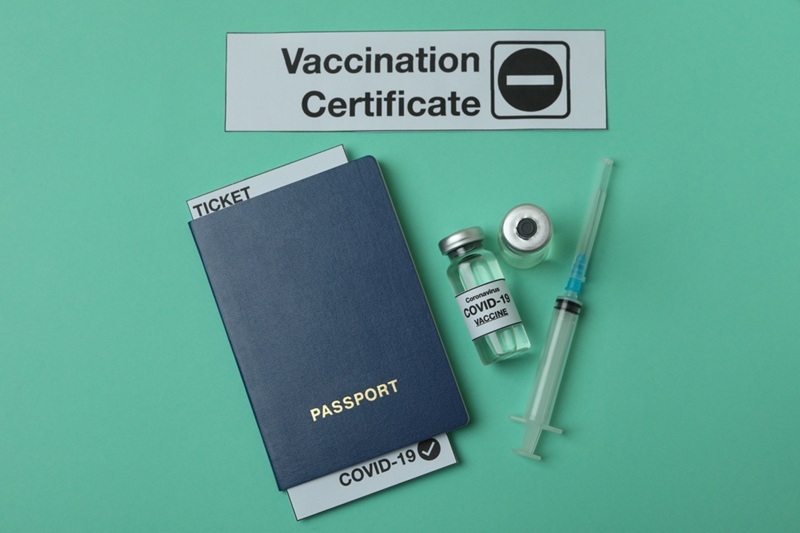
Before you book flights, pack bags, or daydream about street food in a faraway city, there’s one travel detail that deserves a little more attention than it usually gets. Your health. Travel vaccinations often sit quietly on the checklist, right next to “buy travel adapter,” until something nudges you to take them seriously. And honestly, that nudge should come sooner. This blog walks you through why travel vaccines matter, which ones are commonly recommended, how early to plan, where Americans can get them safely, and what to expect around insurance and costs. Along the way, we’ll touch on real-world concerns, a few common misconceptions, and practical tips that make the whole process feel less overwhelming and far more doable.
Travel Vaccinations are not just a formality or a box to tick before an international trip. They’re a layer of protection, like wearing a seatbelt on a long drive. You may never need it, but you’ll be glad it’s there if something unexpected happens.
When you travel outside the United States, your immune system meets places it has never been before. Different bacteria, viruses, food handling practices, and even insects come into play. Your body is smart, sure, but it hasn’t trained for everything.
Think about it. A casual mosquito bite at home is annoying. In parts of Africa, Asia, or South America, that same bite can carry serious illness. Travel vaccinations help your immune system recognize threats before they become real problems.
Some travelers assume they’re only needed for remote destinations. Others think modern medicine can fix anything later. Here’s the thing. Treatment abroad may not be immediate, familiar, or affordable. Prevention feels boring until it saves your trip.
Another myth is that routine childhood shots cover everything. They don’t. Vaccines for travel often target region-specific diseases you won’t encounter back home.
Different destinations bring different risks, which means no single travel vaccine list fits everyone. This section helps you understand the categories so recommendations feel less random and more logical.
Even if you’re not traveling, doctors often check routine immunizations first. These include measles, mumps, rubella, tetanus, diphtheria, and flu.
This is where things get more tailored. Vaccines for travel can include hepatitis A, hepatitis B, typhoid, yellow fever, rabies, or Japanese encephalitis.
A beach vacation in Mexico raises different concerns than a safari in Kenya. The travel vaccine recommendations adjust based on local disease patterns, length of stay, and activities planned.
Pregnant travelers, older adults, children, or those with chronic conditions may receive modified advice. It’s not about restriction. It’s about safety.
Honestly, a personalized conversation with a travel health professional makes a huge difference here.
Also check: How to Overcome Fear of Flying: Tips, Therapy & Support
Timing matters more than most people realize. Waiting until the last minute can limit your options or reduce effectiveness.
Most healthcare providers suggest seeing a travel clinic four to eight weeks before departure. Some travel vaccines require multiple doses spaced over time.
Miss that window, and you may still travel, but with fewer protections in place. That’s a risk many people regret later.

Here’s the reassuring part. Even if your trip pops up suddenly, some protection is better than none. Certain vaccines work quickly, and clinics can advise on practical alternatives.
Finding a reliable place for Travel Vaccinations in the United States is easier than it used to be. You have choices, and that’s a good thing.
Dedicated travel clinics are often the gold standard. They stay current with global health trends and offer destination-specific advice.
Large pharmacy chains like CVS, Walgreens, and Costco now offer several travel vaccines. This convenience is a game-changer for busy travelers.
Your regular doctor may also provide travel vaccines, especially if your destination is common. Local health departments sometimes offer lower-cost options, which can help if the budget is a concern.
Top Pick: Airport Safety Tips to Prevent Injuries While Traveling
This question comes up almost every time, and for good reason. Travel costs add up fast, and healthcare expenses can sting.
So, are travel vaccines covered by insurance? Sometimes yes, sometimes no. Many insurance plans cover routine vaccines, but consider travel-specific ones elective.
That said, hepatitis A and B may be covered if deemed medically necessary.
A quick call to your insurance provider helps. Ask about specific vaccines, not just general coverage. Also, ask whether pharmacy-administered vaccines are treated differently from clinic visits.
If insurance doesn’t cover a Travel Vaccine, prices vary widely. Shopping around helps. Pharmacies, clinics, and health departments often differ in cost.
Safety concerns are natural. No one loves needles, and side effects can sound scary when read online at midnight.
The majority of people experience mild effects. Soreness at the injection site, slight fatigue, and maybe a low-grade fever.
These usually pass within a day or two. Compared to getting sick abroad, it’s a small inconvenience.
Serious reactions are uncommon, but healthcare providers screen for risk factors beforehand. If you feel unwell after vaccination, follow the guidance you’re given.
Don’t Miss: Top 10 Airport Travel Safety Tips for Stress-Free Journeys
Travel opens doors, broadens perspectives, and creates stories you’ll tell for years. Travel Vaccinations quietly support all of that by reducing health risks that could derail your plans. From understanding which vaccines for travel apply to your destination, to figuring out where to get them safely in the USA, a little preparation goes a long way. Add in clarity around insurance, realistic expectations about side effects, and smart timing, and suddenly this once intimidating task feels manageable. Travel should stretch your comfort zone, not your immune system. Taking care of your health first lets you enjoy the rest with confidence.
Ideally, four to eight weeks before travel. This allows time for full protection and any follow-up doses if needed.
No. Requirements vary by destination and sometimes by where you’re arriving from. Recommendations are more common than strict rules.
Yes. Many travel vaccines are safe for children, but schedules and types may differ based on age and health history.
You increase the risk of illness abroad, have limited treatment options, and face potential trip disruption. Prevention is usually the easier path.
This content was created by AI