

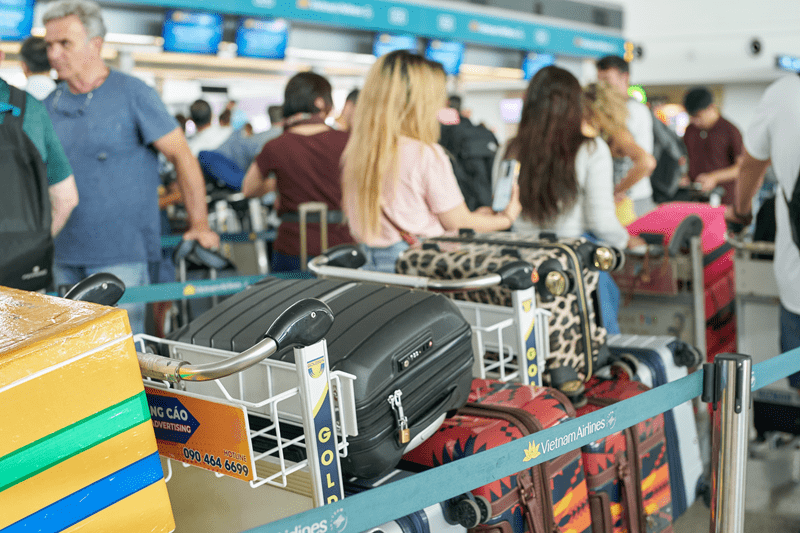
If you have ever stood at an airport debating whether to check your bag or carry it on, you are not alone. The rules are not complicated, but they are often misunderstood. Airlines, security guidelines, and fees all play a role, and choosing the wrong option can cost you time, money, or both.
This guide breaks down checked baggage vs carry on in simple terms. You will learn the real difference between carry on baggage and checked bags, what TSA allows in each, and how to decide what works best for your trip.
A carry on bag is the luggage you bring into the airplane cabin with you. It goes either in the overhead bin or under the seat in front of you. This is the bag you keep access to during the flight.
Most U.S. airlines allow one carry on bag plus one personal item like a purse or laptop bag. The benefit is simple. You skip baggage check-in, avoid baggage claim, and keep your essentials close.
For short trips, business travel, or minimalist packing, a carry on bag often makes the most sense.
Discover More: How Airport Robotics can Improve Your Travel Experiences?
A check in bag, also called checked baggage, is luggage you hand over to the airline before security. It travels in the cargo hold and is returned to you at baggage claim after landing.
Having a lot of luggage is normal for long flights, going with kids and when you do not have other choice but to include large clothing, presents or tools in your stuff. The major drawback is that the suitcase is not accessible during the flight and you might have to shell out extra for it.
Understanding checked baggage vs carry on comes down to access, size, cost, and convenience.
Carry on baggage
Checked baggage
If speed and control matter most, carry on wins. If space and flexibility matter more, checked baggage is the better option.
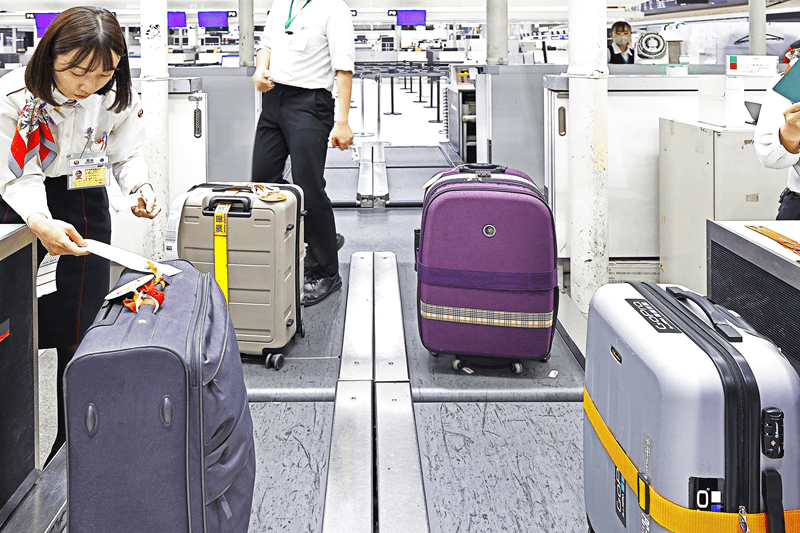
Security rules are set by the Transportation Security Administration, and they apply differently depending on where your items are packed.
Carry on bags go through the security checkpoint with you. Because of that, restrictions are tighter.
Key rules include:
These rules exist to protect passengers in the cabin. If an item seems questionable, it probably belongs in a checked bag.
Checked baggage is screened separately and allows more flexibility.
You can pack:
However, spare lithium batteries and power banks must stay in your carry on. Fire hazards are not permitted in the cargo hold.
Always double-check TSA rules before flying, especially for specialty items.
Also check: Travel Essentials for Men You Must Have at Every Airport
The phrase what is a carry on bag and checked baggag often comes up because travelers want a clear, real-world distinction.
Here is a simple example:
You are flying for a three-day work trip.
Now imagine a ten-day vacation.
This balance is how most experienced travelers pack.
Fees are one of the biggest factors in the difference between carry on baggage and checked bags.
Over multiple trips, choosing carry on only can save a noticeable amount of money.
Choose a carry on bag when:
Carry on travel rewards planning and smart packing.
Checked baggage works best when:
In these cases, the convenience of space outweighs the wait at baggage claim.
Many travelers combine both.
A common setup:
This approach protects you if checked luggage is delayed while still giving you room to pack comfortably.
Must Read: Senior Citizen Air Travel Tips: Safety & Assistance Guide
The debate around checked baggage vs carry on is not about which is better overall. It is about choosing the right tool for your trip.
Understanding what is a carry on bag, what is a check in bag, and how TSA guidelines for carry on bags and checked baggage work helps you avoid stress at the airport. Once you know the rules, the decision becomes straightforward.
Pack for access. Pack for length. Pack with intention.
Quick answers to common questions travelers usually have before packing.
The main difference is access. Carry on baggage stays with you in the cabin, while checked bags travel in the cargo hold and are collected after landing.
Yes, but liquids in carry on bags must follow TSA size limits. Checked baggage allows full-size liquids as long as they are not hazardous.
For short trips, carry on is usually better. It saves time, avoids fees, and keeps your essentials within reach.
This content was created by AI